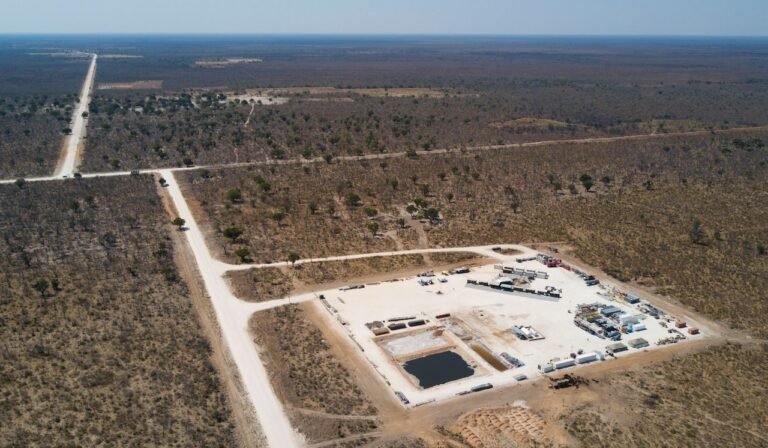
Canadian oil company illegally bulldozes protected land in Africa
Farms, water, and endangered wildlife are threatened as ReconAfrica expands its operations despite violations.

Farms, water, and endangered wildlife are threatened as ReconAfrica expands its operations despite violations.
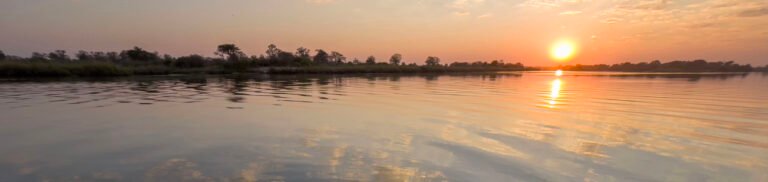
Canada-based ReconAfrica appears to have flouted Namibian law, legal experts say.
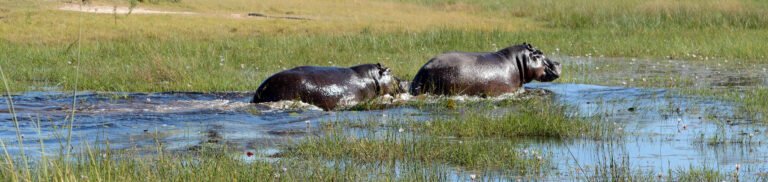
National Geographic reporting spurs a bipartisan call for “a thorough and coordinated investigation” by federal agencies.
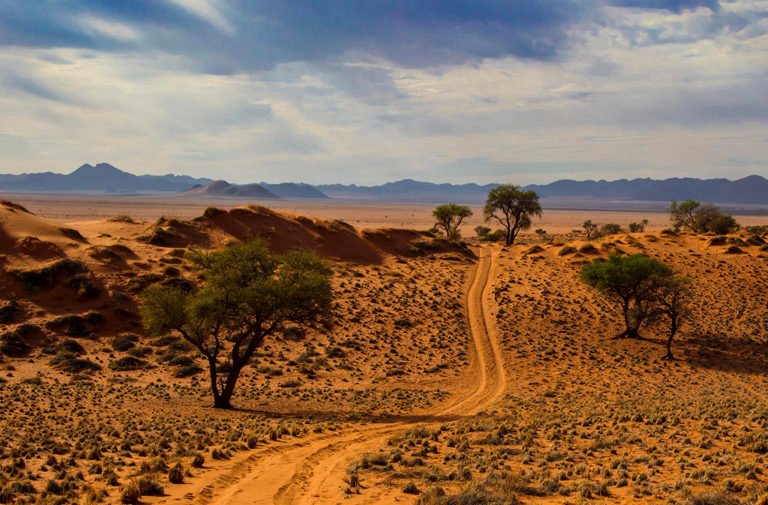
A whistleblower complaint to the U.S. Securities and Exchange Commission cites “egregious” violations by ReconAfrica and executives.
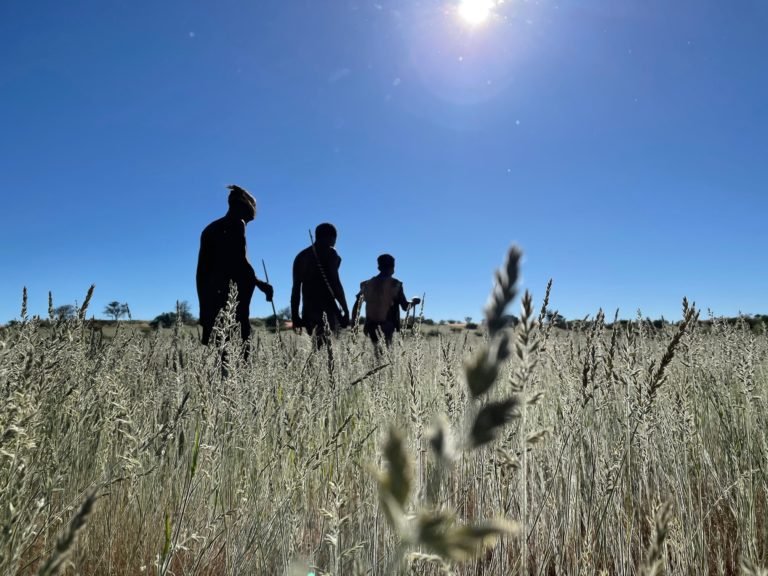
Namibians allege ReconAfrica disposed of wastewater unsafely, without permits, and ignored concerns about potential impact of oil drilling on water and wildlife.

The petroleum exploration company ReconAfrica doesn’t appear to have taken what experts say is a key step to prevent contamination of groundwater.
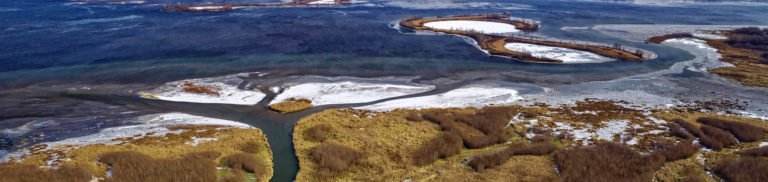
This month, ReconAfrica’s multimillion-dollar drilling rig pierced a riverbed in elephant habitat some 160 miles from the wildlife-rich Okavango Delta.
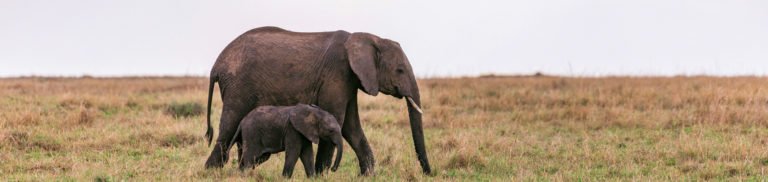
Hundreds of oil wells could come to cover a huge expanse in Namibia and Botswana, in what has been called possibly the “largest oil play of the decade.
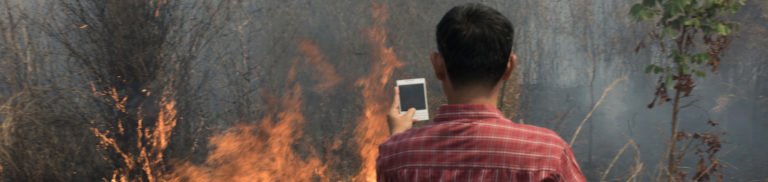
TMAT PAELLY, Cambodia, April 24 (Thomson Reuters Foundation) - Yin Socheat, a 29-year-old Cambodian farmer, is immersed in her smartphone - but it isn’t the latest viral meme she’s looking at.
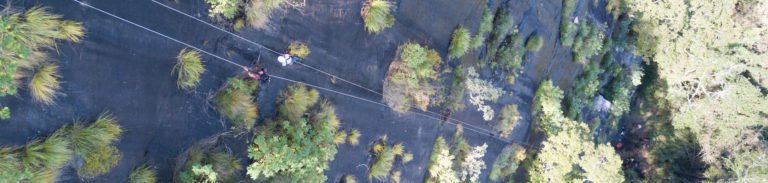
A ‘dream team’ of scientists scaled Mount Lico and found a wealth of new species.
Like a villain’s fortress in an old James Bond movie, Mount Lico rises vertically from the land around it,
the ancient centre of a volcano with the forest nestled in its crater.